
What were the key results?
Traceable change management: Change requests were recorded through a company-specific workflow, making it traceable how new production requirements were reflected in the system.
Time data integrated with payroll: Shift, overtime and leave data were kept in SAP time management and transferred to payroll within the system; time management accounted for 15% of requests.
Self-service and integration: Employee and manager self-service applications and integrations with other systems were in scope; HR transactions and approvals were carried out in the system.
What was the starting point?
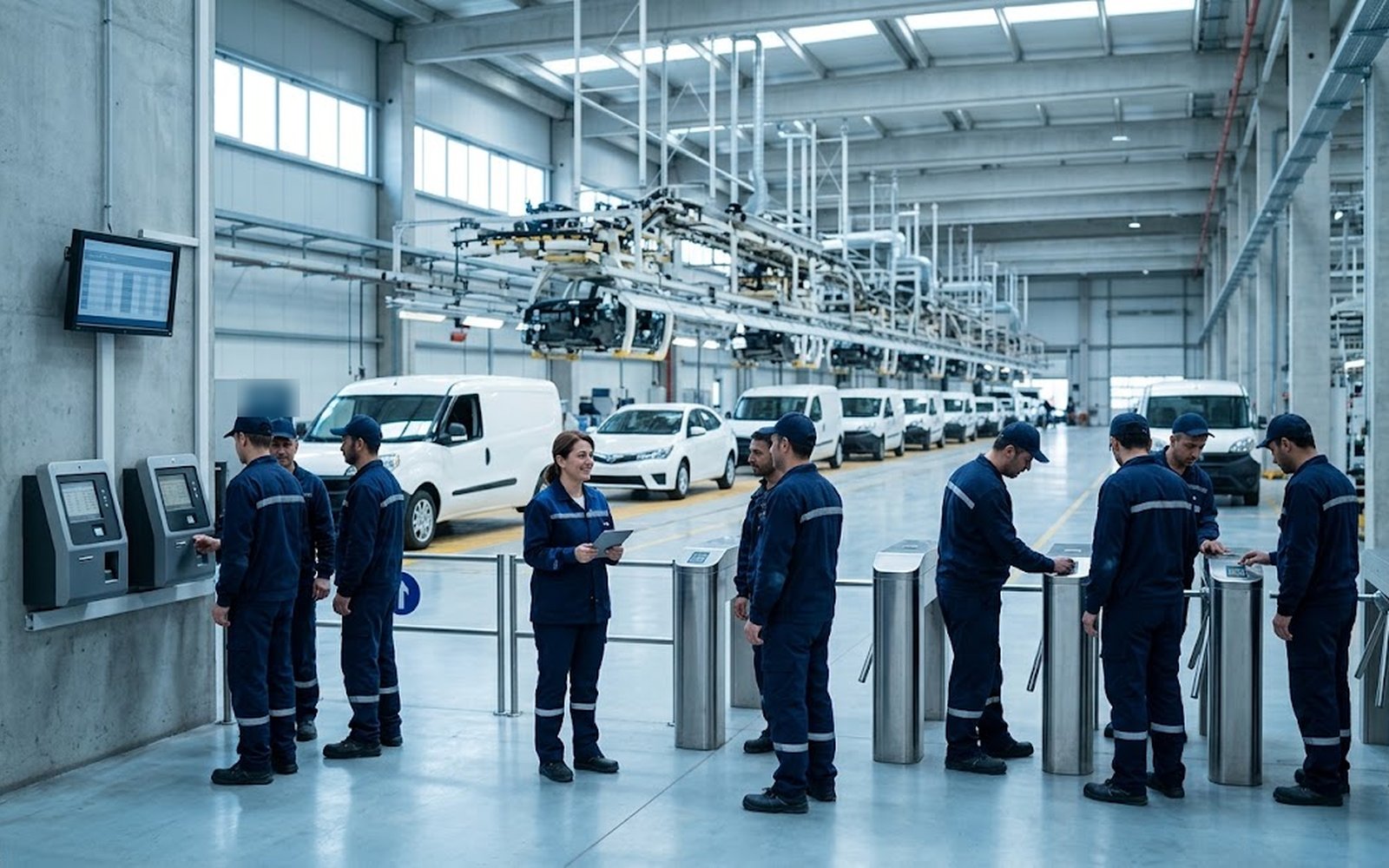
In automotive manufacturing, shift patterns, overtime and high staff turnover create a continuous workload for HR processes. The company needed a support model that would manage this volume within SAP HCM and adapt the system to the changing needs of production.
What approach was taken?
Change requests were managed through a separate, traceable workflow apart from support requests; more than half of all requests were development work. Personnel, payroll, time and organizational management were handled within the same structure.
What was the outcome?
Hundreds of requests were handled in every year of the 2018–2023 period; HR processes ran in a single SAP landscape together with self-service and integrations.
Assessment
In fast-paced production environments, managing change requests through a separate, traceable workflow apart from support requests preserves the rationale behind changes as institutional knowledge.
Frequently Asked Questions
During which period was support provided?
According to records, from 2018 to 2023, without interruption every year.
Which HR processes did the support cover?
Personnel, payroll, time and organizational management; employee and manager self-service, SAP Fiori and integrations.
How were change requests managed?
Through a company-specific change workflow; 1,891 developments were delivered in this period.