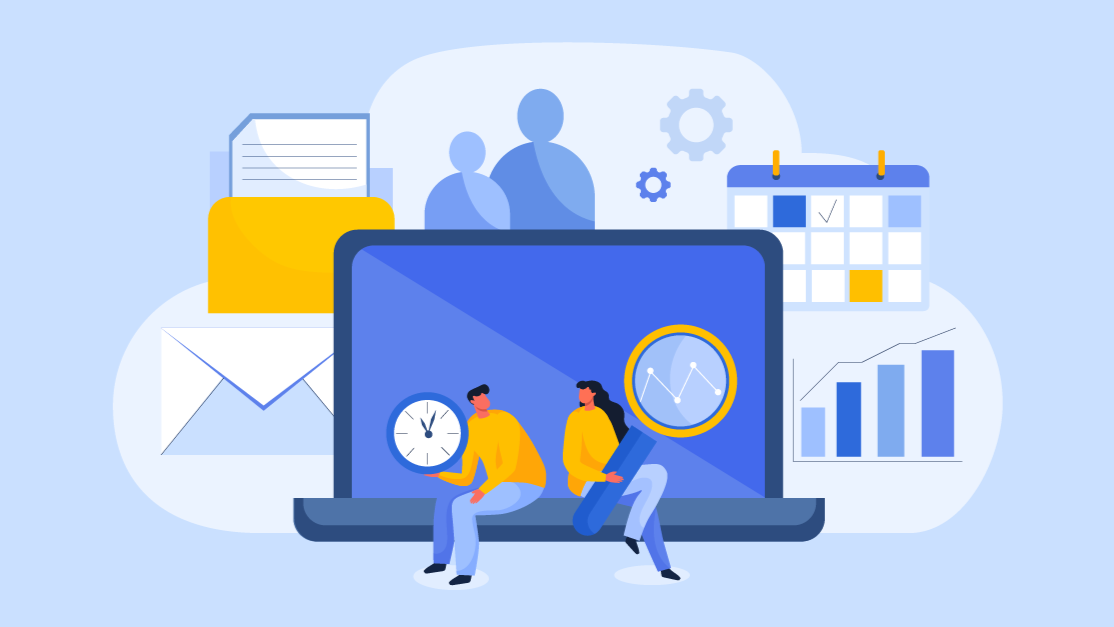
The digitalization journey of modern businesses is now built on a multi-system reality. All areas - ERP, CRM, e-commerce, HR, finance, supply chain - are managed with different applications. But when these applications are disconnected from one another, it creates inefficiency, data loss and decision delays.
To eliminate this complexity, integration has become a cornerstone of digital-transformation projects. And in the SAP world, the most powerful solution meeting this need is SAP Integration Suite.
📊 The Importance of Integration with Current Global Statistics
- 89%: According to IDC, 89% of organizations see the lack of integration between systems as one of the biggest obstacles to digital transformation.
- 74%: According to Gartner's 2023 research, 74% of firms state that integration with non-SAP systems is a "critical priority."
- 50%: Forrester reports that 50% of digital projects are not completed on time due to integration difficulties.
- SAP data (2023): In firms using Integration Suite, integration times shorten by 60% and operational errors decrease by 40%.
🧩 What Is SAP Integration Suite?
SAP Integration Suite is a cloud-based platform running on the SAP Business Technology Platform (BTP) that provides secure, fast and sustainable integration between SAP and non-SAP systems.
Key Components:
- Cloud Integration (CPI) → iFlow-based integration infrastructure providing real-time data flow
- API Management → Creating and managing secure APIs for internal and external systems
- Open Connectors → Ready integration with hundreds of SaaS applications such as Salesforce, Workday and Slack
- Integration Advisor → AI-supported mapping and process-design recommendations
- Event Mesh → Flexible data management with event-driven architecture support
🔍 How Does It Make a Difference in SAP & Non-SAP Systems?
🎯 Scenario 1: SAP S/4HANA ↔ Salesforce - Two-way synchronization of customer data; end-to-end traceability of order - invoice processes.
🎯 Scenario 2: SAP SuccessFactors ↔ Workday - Synchronization of HR data with global HR systems.
🎯 Scenario 3: SAP ERP ↔ e-Invoice / e-Archive Service Providers - Ensuring legal compliance and automatic data flow.
🎯 Scenario 4: SAP ↔ IoT Platforms - Analyzing sensor data from production lines with SAP.
🌍 A Real-World Example: İKSAP & SuccessFactors Integration
İKSAP provided integration between SAP SuccessFactors and Meyer's systems. Results:
- ✅ User automation after recruitment
- ✅ Elimination of data duplication
- ✅ Faulty-integration alert system by email (Integration Health)
- ✅ 100% traceable processes
This example shows that Integration Suite offers not just integration but also operational control and application security.
⚙️ 5 Areas Where Integration Suite Makes a Difference
- Fast Development → Pre-defined content, ready integration packages
- Security → Encrypted connections via Cloud Connector without needing a VPN
- Ease of Maintenance → Version control, iFlow monitoring, an alert system
- Scalability → Managing SAP & non-SAP systems from the same platform
- AI Support → Using a recommendation engine with Integration Advisor
🧭 Where to Start?
- Set up the SAP BTP environment and activate the Integration Suite service
- Connect your on-prem systems with Cloud Connector
- Model and test data flows with iFlows
- Expand communication with external applications via APIs and Event Mesh
- Define compatible data structures with Integration Advisor
🎯 Conclusion: Integration Is No Longer a Luxury but a Basic Need
SAP & non-SAP systems working together is no longer "optional" but mandatory for competitive advantage. As the "golden key" of this multi-system digital world, SAP Integration Suite offers IT teams flexibility, business units speed and companies full visibility.