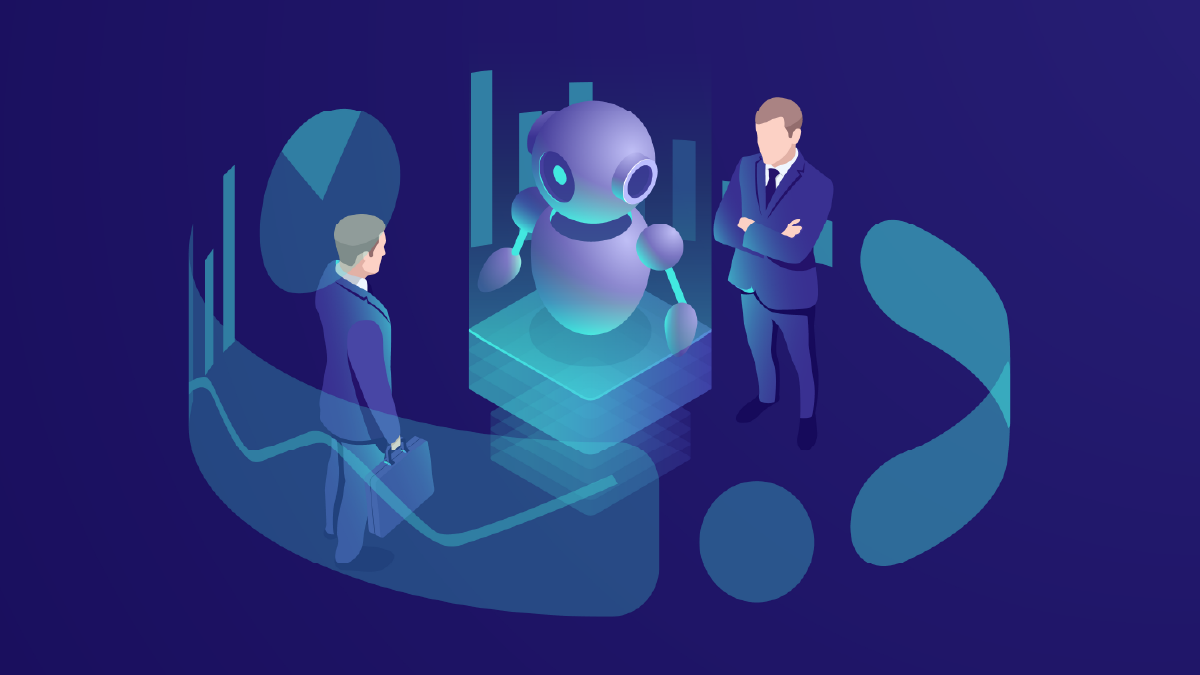
In HR teams, ChatGPT adoption rarely began as a formal project, integration or strategic transformation initiative. On the contrary, it spread quietly and often unnoticed, driven by individual needs. Today, in many organizations ChatGPT has become an invisible part of daily workflows - even though it is not defined anywhere in the HR systems.
Quiet Spread: From Individual Use to Habit
HR professionals use ChatGPT as a personal assistant to:
- draft job postings,
- simplify policy and procedure texts,
- produce training content and internal communication copy,
- get alternative phrasing for difficult correspondence.
Because this usage delivers quick results, it usually goes unquestioned. Yet this "quiet spread" carries both opportunities and risks from a corporate perspective.
The Invisible Value: Less Time and Cognitive Load
One of ChatGPT's most important contributions is reducing the cognitive load on HR professionals. For repetitive text production and work requiring mental preparation, it quickly provides a starting point. This lets HR teams devote more time to human-centered areas such as assessment, relationship management and decision-making. This value is often unreported, unmeasured and therefore "invisible."
The Invisible Risk: Lack of Control and Consistency
On the other hand, ChatGPT operating as an invisible assistant can create:
- erosion of corporate language and message integrity,
- legal and policy risks,
- information-security and data-privacy problems. Different HR employees using the same tool in different ways weakens corporate consistency.
An invisible assistant cannot be managed as long as it goes unnoticed.
From an Informal Tool to Corporate Capability
The real question is not whether ChatGPT is used, but how it is positioned. When organizations manage ChatGPT with defined use cases, standard prompt libraries, and approval and control mechanisms, individual speed gains turn into corporate efficiency. At this point ChatGPT stops being "invisible" and becomes a consciously designed digital assistant.
HR's New Role: From User to Orchestrator
ChatGPT's widespread but silent use in HR also transforms the role of HR professionals. HR is no longer merely a user of the tool; it becomes an orchestrator that defines in which task, for what purpose, and within which boundaries it will be used.
Global Statistics
Global research shows that ChatGPT and similar generative AI tools are often used in HR in an informal and invisible way. According to Gartner, in more than 60% of large organizations generative AI tools are used on individual initiative by HR and business units, while only about one third of this usage is included within corporate policy and governance frameworks. In Deloitte's 2024 and 2025 Human Capital studies, nearly 70% of HR professionals report actively using generative AI in their daily work, while a significant portion of these users state that their contribution is not measured and is not reflected in formal processes. McKinsey analyses show that these invisible usage patterns - referred to as "shadow AI" - increase individual productivity in the short term, but in the absence of governance can challenge organizations in terms of consistency, risk and sustainable value. These figures clearly demonstrate that ChatGPT has effectively taken on an assistant role in HR, yet in most organizations this role has not yet been consciously designed.
Conclusion: Invisible but Effective
Today, in many organizations, ChatGPT is HR's invisible assistant. It creates value, saves time and transforms the way work is done. But as long as it remains invisible, it cannot be measured, managed or made sustainable. The opportunity before HR is to recognize this invisibility and turn it into a conscious capability.