Artificial intelligence (AI), the driving force of digital transformation in today's business world, is also causing profound changes in Human Resources (HR) processes. Across many areas - from recruiting to training, and from performance management to employee engagement - the opportunities AI offers increase HR departments' efficiency while strengthening strategic decision-making. So in which areas, and how, does AI make a difference in the world of HR?
AI in Recruiting Processes
Recruiting is one of the most critical steps of HR processes. As the candidate pool grows ever larger, finding the right talent becomes harder - and AI-supported tools turn this challenge into an opportunity.
- Automatic CV Screening: AI can analyze hundreds or even thousands of applications within seconds and rank the most suitable candidates for the position. This lets HR specialists approach pre-selection in a more focused and efficient way.
- Front-End Chatbots: Chatbots that answer candidates' questions and gather pre-interview information improve the candidate experience while speeding up the recruiting process.
- Reducing Bias: When AI algorithms are designed correctly, they can contribute to fairer selection by minimizing human-driven biases such as gender, age and race.
AI in Training and Development
Employee development plays a fundamental role in companies gaining competitive advantage. AI enriches the learning experience by personalizing training processes.
- Personalized Learning Roadmaps: By analyzing each employee's competencies, AI recommends the training content they need. This way, employees develop with training suited to their own pace and interests.
- Virtual Mentors and Assistants: AI-powered virtual mentors support learning processes by instantly answering employees' questions.
- Learning Analytics: The effectiveness of training programs is measured and analyzed thanks to AI. This lets companies optimize their training investments.
AI in Performance Management
Evaluating employee performance accurately is a critical process for corporate success. AI offers important advantages in providing objective and continuous feedback in performance management.
- Real-Time Data Analysis: AI tracks employees' performance data instantly and provides proactive feedback to managers.
- Goal Setting and Tracking: Smart systems align employees' goals with company strategies and monitor progress regularly.
- Sentiment and Motivation Analysis: Some advanced AI applications can analyze employees' mood and motivation level to detect potential motivation losses in advance.
Statistics
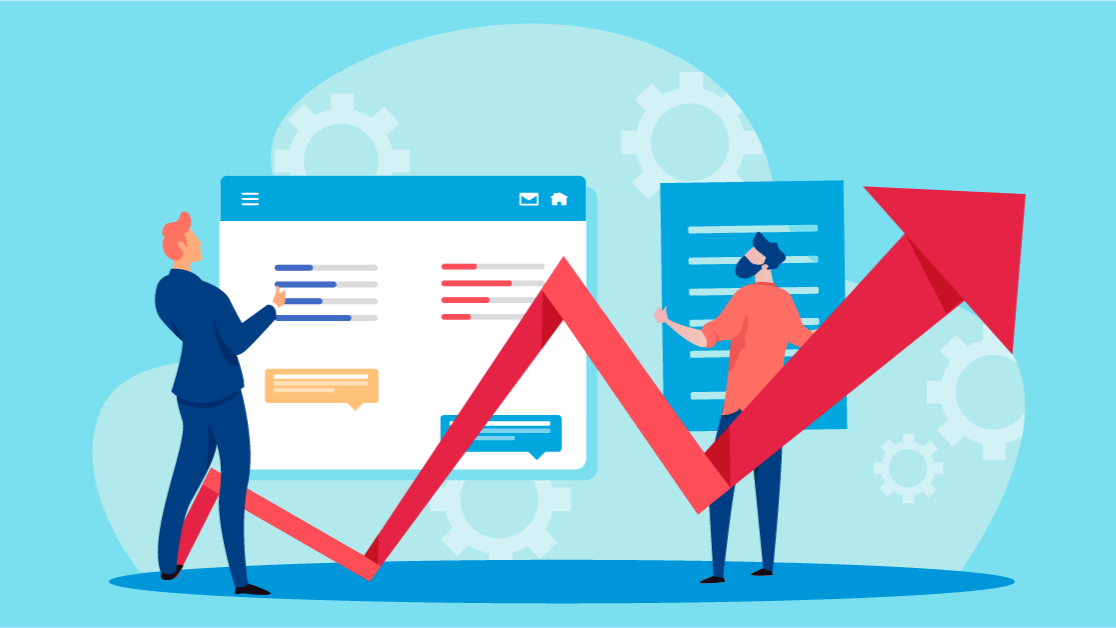
AI is creating significant change in HR. Many processes - from recruiting to training, and from performance management to employee engagement - are becoming faster and more effective.
- In recruiting, AI speeds up the process by pre-screening 75% of applications with automatic CV scanning, without human intervention.
- AI-supported training programs increase employees' learning motivation by 50% and raise training-completion rates.
- In performance management, thanks to real-time data analysis, employee engagement increases by 40% and productivity rises by an average of 20% in companies using AI.
These statistics show that AI both saves time and improves the employee experience in HR processes.
Conclusion
AI is a powerful technology that makes HR processes faster, fairer and more efficient. Across many areas - from recruiting to training, and from performance management to employee experience - the solutions AI offers enable HR professionals to take a more effective role as strategic business partners. Combined with human intelligence, AI will continue to be HR's most important supporter in the future of business. Companies that use AI effectively will be one step ahead of their competitors in talent management and employee engagement.