
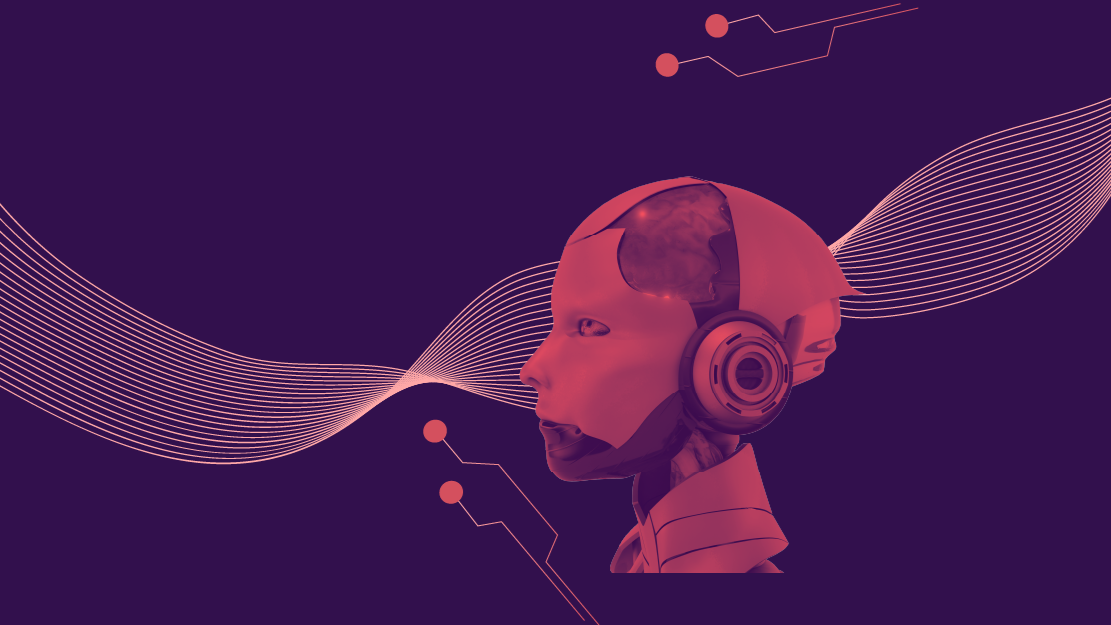
AI is no longer just a supporting technology; today, some work is now carried out by "digital workers" instead of humans. This transformation fundamentally changes not only the workforce but also the ways of doing work.
💡 What Does "Digital Worker" Mean?
A digital worker is an AI-based system that performs specific tasks, can learn and can make decisions. What differentiates it from traditional software is that, although it does not think like a human, it can communicate like one and manage processes by understanding them.
These can be a chatbot, an AI that analyzes data with natural language, or a process robot running in the background.
🧩 Where Is It Used?
1. Customer Service - Chatbots no longer just answer questions; they can analyze call history and offer context-appropriate recommendations.
2. Human Resources - Much of the workload, from new employees' onboarding processes to explaining leave policies, is now carried out by digital workers.
3. Finance and Procurement - AI-based digital assistants take on a decision-support role in invoice checks, budget analyses and quote comparisons.
4. Software Development - Even technical work such as writing code, generating tests and integration documentation is now completed in less time with AI support.
📈 Corporate Impact
Today, many global companies have integrated digital workers into their processes. Standout gains:
- Time savings: Routine work is completed faster.
- Reduced error rate: High accuracy, especially in data entry and analysis.
- 24/7 working capacity: Digital workers don't take breaks, rest or go on holiday.
An analysis by Microsoft revealed that using AI in customer service delivered savings of millions of dollars. Companies like Salesforce state that they have delegated more than 30% of internal operations to digital workers.
Digital Workers in Statistics
- Microsoft achieved over $500 million in savings and a 9% increase in sales by using AI in call-center operations (ITPro, 2024).
- Salesforce CEO Marc Benioff stated that 30 - 50% of internal processes are carried out by digital workers (SF Chronicle, 2024).
- Deloitte Australia's MyAssist platform delivered up to 50% time savings by answering employees' daily questions (The Australian, 2024).
⚠️ Points to Watch
- Human-centered approach: Digital workers should be supportive and not exclude humans.
- Data security: Because AI systems can access sensitive data, strong security policies are essential.
- Transparency: How digital workers operate must be understandable and controllable.
🧠 Conclusion
Digital workers are becoming powerful tools that transform corporate structures. In the near future, these AI-powered systems are expected to take part not only in supporting but also in decision-making roles. With balanced and ethical use, an increase in both speed and quality is possible in business processes. Companies that adopt this technology will gain a competitive advantage.